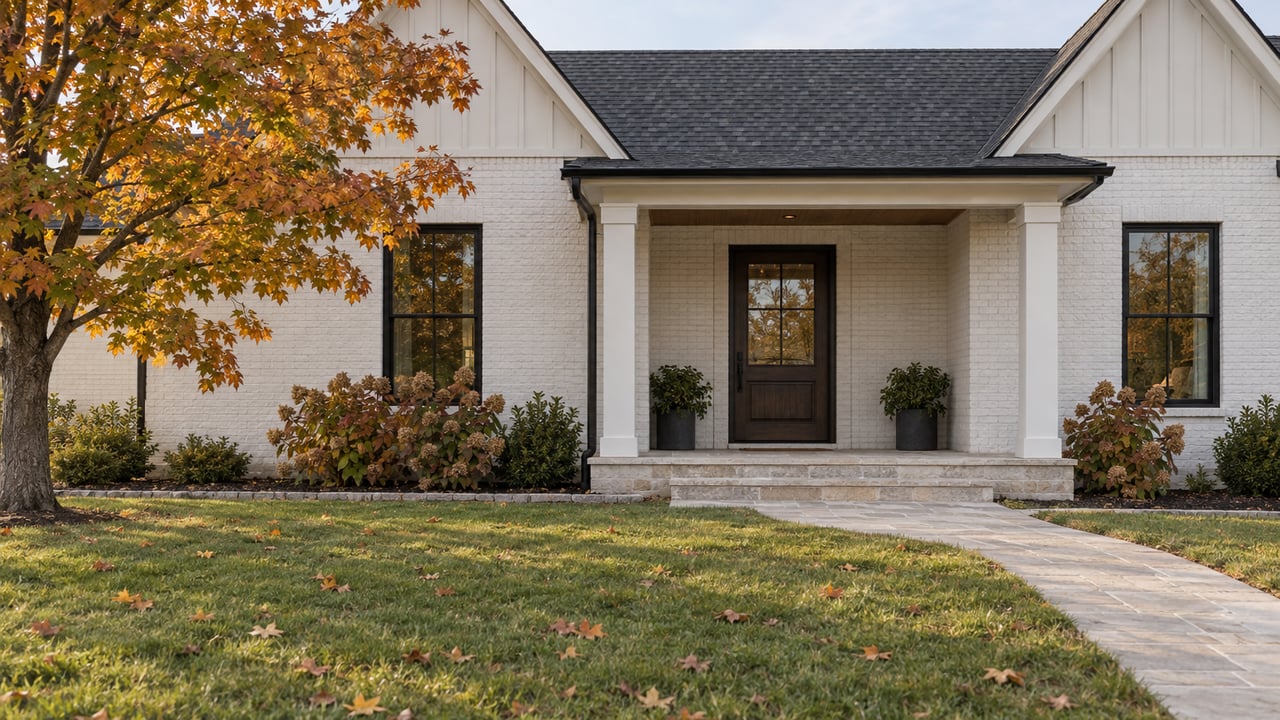
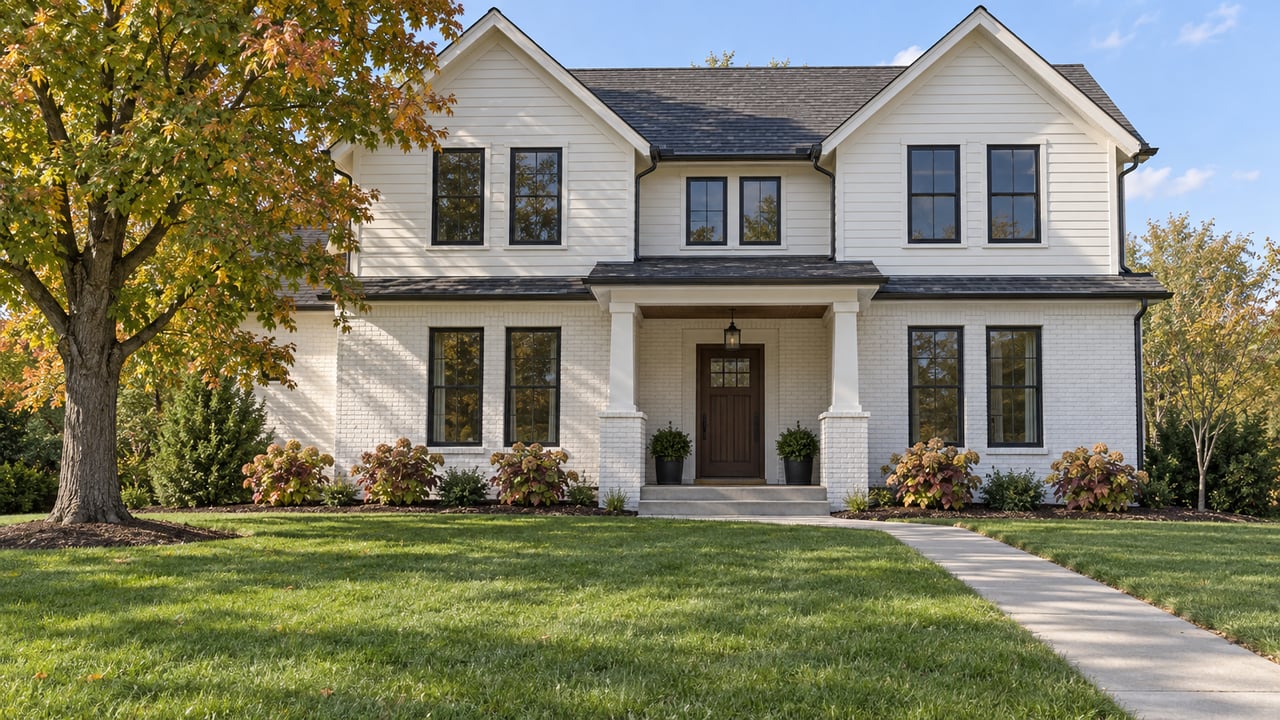
Two houses sit half a mile apart on the edge of Mt. Orab. Both have a 45154 address. Both show up in the same school district search. One closing takes three weeks and ends with a water bill transfer. The other adds a septic and well inspection, a pump-out receipt, and a week of waiting on a health department report. The difference has nothing to do with the street, the subdivision name, or how far the house sits from Route 32. It comes down to a line the Village of Mt. Orab draws around its own utility service area, and that line has gotten more consequential in the past year than most buyers realize.
The Board That Actually Draws the Line
Water and sewer service in Mt. Orab runs through the Village's Board of Public Affairs, a three-member board that oversees more than 150 miles of water line and 75 miles of sewer line. The rule the board enforces is stated plainly on the Village's own utility page: sewer service is not provided to customers outside the Village of Mt. Orab, full stop. The fee schedule is even more direct about it: no sewer taps outside the limits of the Village.
That single sentence is the whole ballgame for a buyer comparing two properties that look identical on a portal listing. Inside the corporate limits, you're on a metered public system with a monthly bill. Outside it, you're almost certainly on a private well and a septic tank, which means a different inspection path before closing and different maintenance obligations for as long as you own the place.
Water is where it gets interesting. The Village's own water customer count runs around 6,607 people, well above Mt. Orab's official village population of roughly 4,200 cited in the state's review of the wastewater project. That gap tells you water lines already reach some households technically outside the corporate limits. Sewer does not get the same treatment. The Board will run a water main past the line. It will not run a sewer tap past it. That is not an oversight. It is capacity.
Why the Plant Is Already Maxed Out
Mt. Orab's wastewater treatment plant was designed to handle 0.7 million gallons per day. According to the environmental assessment the Village submitted to Ohio EPA for its planned expansion, the plant is currently processing more than 1 million gallons per day, well past its rated capacity, which is what triggered a compliance schedule under the Village's federal discharge permit. The assessment attributes the overload to two things happening at once: several years of village growth, and heavier inflow and infiltration during recent years of above-average rainfall, meaning stormwater and groundwater sneaking into a system built to carry only sewage.
That overload is exactly why sewer taps stop at the village line right now. There is no spare capacity to extend.
The Village isn't sitting still on it. It secured a $5 million grant through the Ohio BUILDS Water and Wastewater Infrastructure program to fund a plant expansion, and a general contractor was awarded the job with construction starting August 4, 2025. The scope, drawn from the state's project description, includes:
- A new 54-foot secondary clarifier to add settling capacity
- Conversion of the existing equalization basin into an activated sludge basin
- A new emergency generator
- UV disinfection to replace the current treatment step
- An effluent flow metering facility
The expansion is designed to serve future flows from both Mt. Orab and the neighboring Village of Hamersville, so this isn't a small patch job. Based on the roughly 18-month construction window the Village estimated when the project was funded, a reasonable completion window lands somewhere around early-to-mid 2027, which means anyone closing on a Mt. Orab property between now and then is transacting on a system still mid-repair, not one operating at full, stable capacity.
The Data Center Moratorium and Proposed Site
In early February 2026, Mt. Orab councilman Eric Lang introduced ordinances that would freeze new zoning permits for data centers in the village for 180 days, a direct response to weeks of resident pushback over a proposed 1,018-acre development site between Oakland Road, New Hope-White Oak Station Road, and Tri-County Highway. Village leaders had signed non-disclosure agreements with the developer, DB Stu LLC, in connection with the proposed project. By late March 2026, the moratorium had cleared its required readings and was formally adopted for six months, which means it's still shaping what can be permitted near that site as of this writing, with its window set to lapse later this fall.
Residents packed Mt. Orab Middle School's gymnasium more than once to press for answers, and one question at a council meeting captured the scale of the concern: the site's prospective end user was reportedly requesting 2,000 megawatts of power from PJM, the regional grid operator. The reported power demand has made the proposed site's infrastructure needs part of the public discussion, alongside the Village's wastewater plant expansion.
If you're comparing a resale house near that corridor against one further into the village core, the Village's public meetings about the proposed site and infrastructure provide useful context. We covered the pricing side of that same site in our earlier look at what your money buys in Mt. Orab right now. This is the utility side of the same story.
What This Changes At The Closing Table
If a property sits outside the village limits, the practical path looks different than a standard in-village sale. Local septic contractors like Barbers Septic on South High Street and Wallace Septic Solutions both work Mt. Orab regularly, which tells you this is routine business here, not a rare hurdle. A typical process involves an inspection of the tank, baffles, and drainfield, and may include a pump-out with documentation. None of this is unusual for rural Brown County. It just adds time that an in-village, sewer-connected sale doesn't need.
There's a second wrinkle worth flagging even for homes inside village limits. The Village's own inflow and infiltration guidance notes that homes built before 1972 may still have active foundation drains tied into the sanitary sewer, a connection that's now prohibited because it's part of what's overloading the plant. The Village has offered financial assistance to help homeowners disconnect these, which is useful to know if you're buying an older home in town and want to ask the right question before, not after, you own the pipe.
Before writing an offer on a Mt. Orab property, whether you're buying or getting ready to list, it's worth confirming a short list of facts that don't always show up in a standard disclosure:
- Is the parcel inside or outside the Village of Mt. Orab's corporate limits, not just the 45154 ZIP code?
- If outside the limits, when was the septic tank last pumped, and is there a Brown County Health Department real estate inspection on file?
- If on a private well, has the water been tested for bacteria recently?
- If the home was built before 1972 and sits inside village limits, has the foundation drain ever been inspected or disconnected from the sanitary sewer?
- If the property is near the Route 32 corridor, has anyone asked the Village directly whether the plant expansion still under construction, or the data center moratorium set to expire later this fall, affects future utility planning for that parcel?
None of these questions will show up on a standard seller disclosure form. All of them are answerable with a phone call to the Village office or a licensed local inspector, and asking them before you're under contract beats finding the answer during a inspection window.
Mt. Orab is growing fast enough to overload a treatment plant built a generation ago, and the Village is spending real money to catch up. That's a good sign for the town's long-term trajectory. It also means the line between "sewer bill" and "septic tank" is drawn a little more firmly this year than it might have been five years ago, and it's a line worth locating before you fall in love with a house.
If you're weighing a Mt. Orab property and want a straight answer on which side of that line it sits, or you're getting ready to list one and want to know how to frame the utility story for buyers, Ragan McKinney knows this market block by block. Let's Connect.
This article is general information, not legal, tax or financial advice. Consult a qualified professional about your situation.